Colombian Women Are Saying ‘Yes, We Can’ – Foreign Policy
November 5, 2019
Colombia’s culture of machismo has created a backlash in the form of a new women’s political movement.
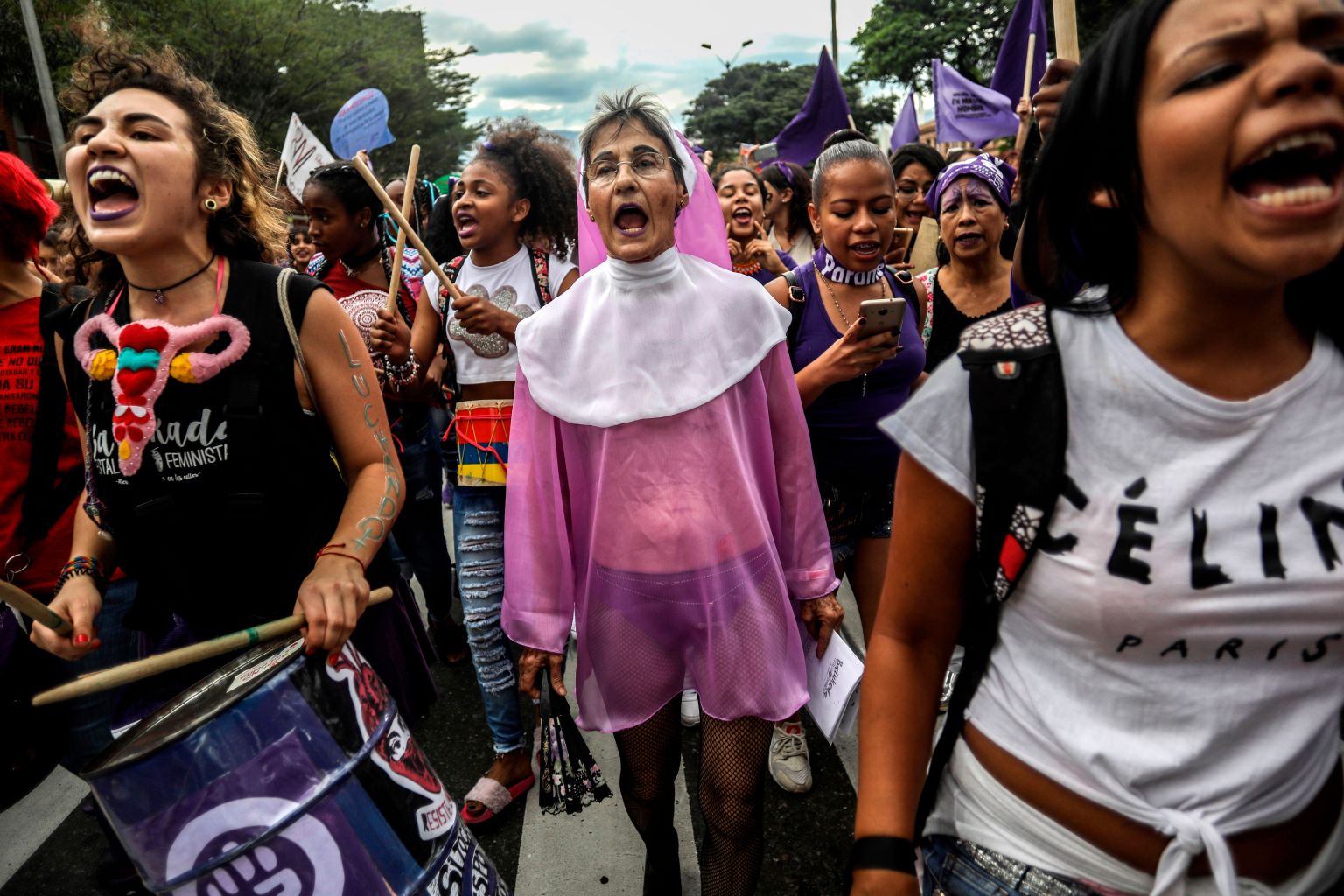
Colombia’s culture of machismo has created a backlash in the form of a new women’s political movement.
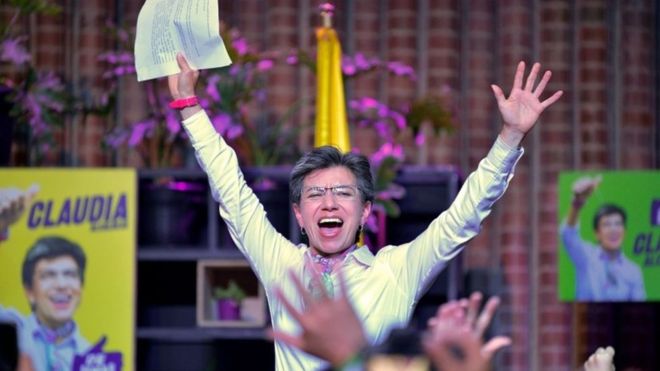
Claudia Lopez’s election as Mayor of Bogota was a defining moment for Colombian women politicians. Find out why in my piece for TIME.
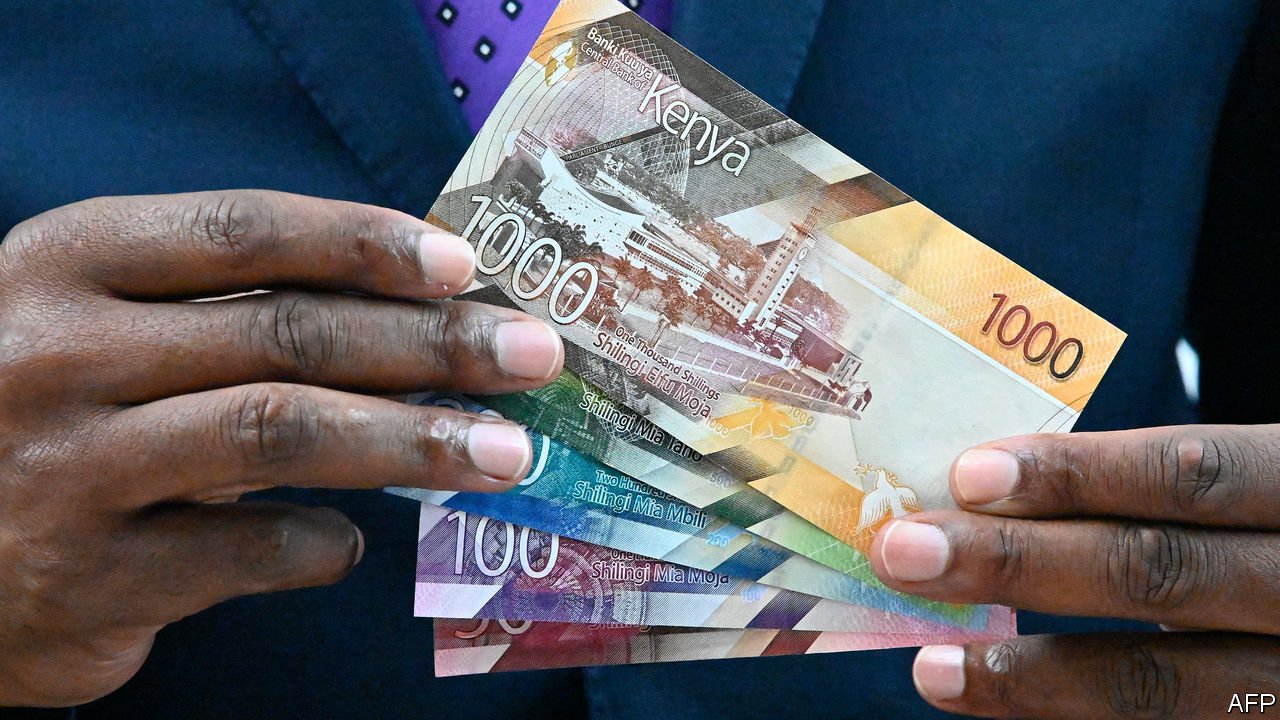
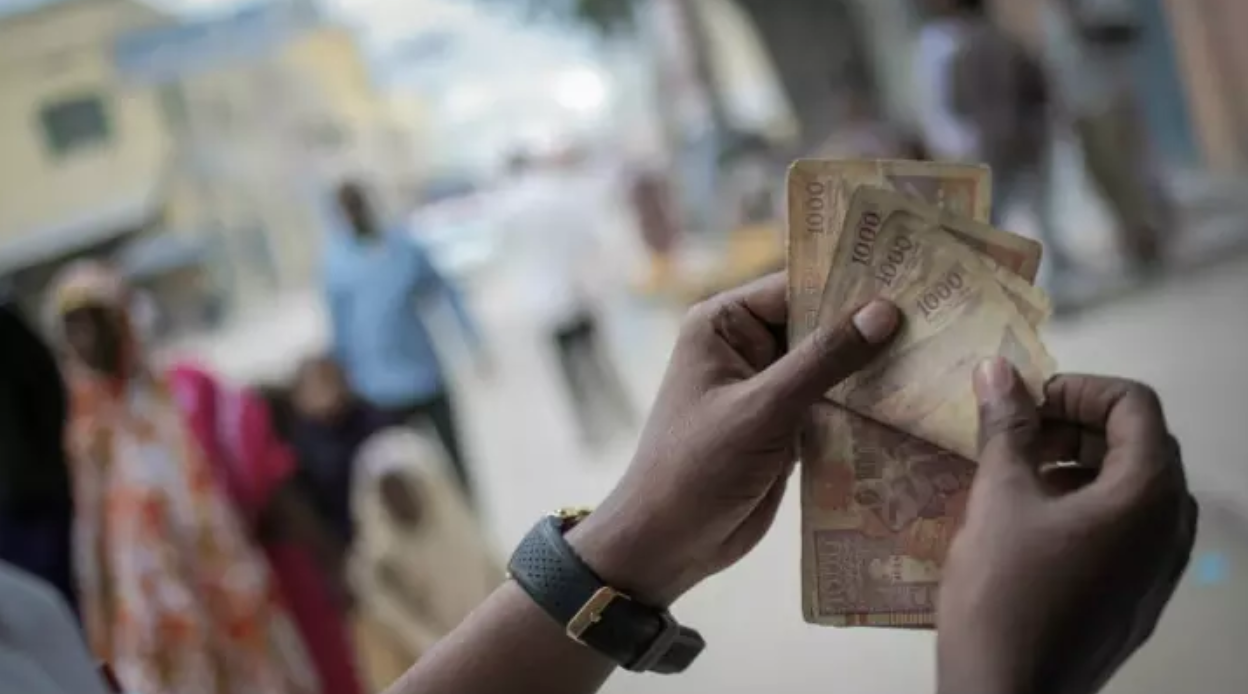
When kenya announced in June that it would issue new 1,000 shilling ($10) notes and destroy the old ones to fight corruption, many predicted chaos. India’s efforts to do the same by “demonetising” rupees in 2016 led to riots, deaths and a dent in economic growth. Read about Kenya’s unexpectedly orderly demonetisation scheme in my Economist piece.

Vermin, snakes, cockroaches, invaders—throughout history, politicians have used these words to describe people they’ve deemed unwelcome in their countries. But what happens when media outlets pick up this weaponized language, expand on it, and reverberate it throughout the nation? Are they, somehow, responsible for the outcomes that follow? Read my piece for Foreign Policy.
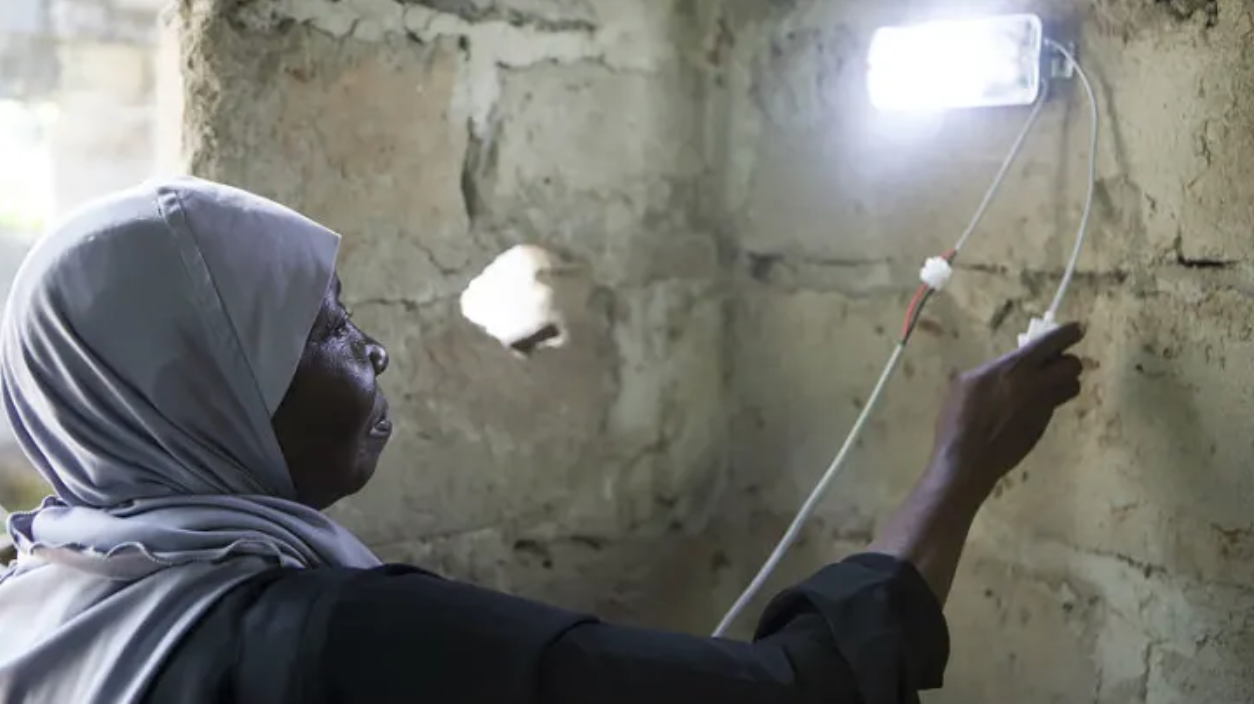
Nearly 1 billion people – 13% of the world’s population – live without electricity, mostly in rural areas. In Africa, 1 in 3 people resort to using kerosene or can only work during daylight hours. Read my DevEx piece on different business models for solar solutions across the continent.
Yemen’s four-year civil war has produced the world’s worst humanitarian disaster. The conflict between a Saudi-led coalition supporting the Yemeni government and Iran-aligned rebels has killed at least 10,000 people and pushed 14 million more to the brink of famine. Often overlooked in Yemen’s wartime narrative are women and children. Yet they are the ones most likely to be displaced, deprived and abused. These are their stories.

When the #MeToo movement reached East Africa, it sparked conversations on Twitter and in the media. But social stigma, and a normalization of violence against women and girls means that few men have been held accountable as a result of the movement.
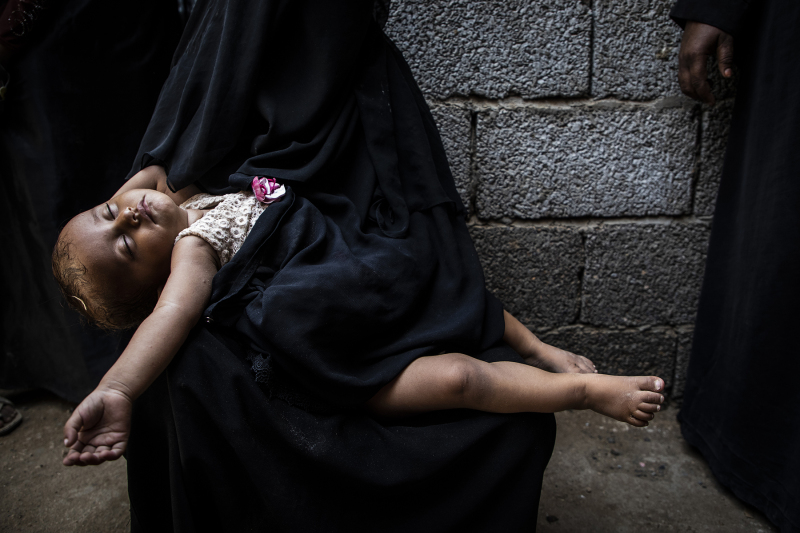
Women in Yemen say they are being excluded from critical discussions about rebuilding the nation after war. Yemeni activists say the U.N. and the United States—actors that have committed to the inclusion of women in peace processes—have not insisted strongly enough on women’s participation. As I report from Yemen, without women, peace will be hard to come by.
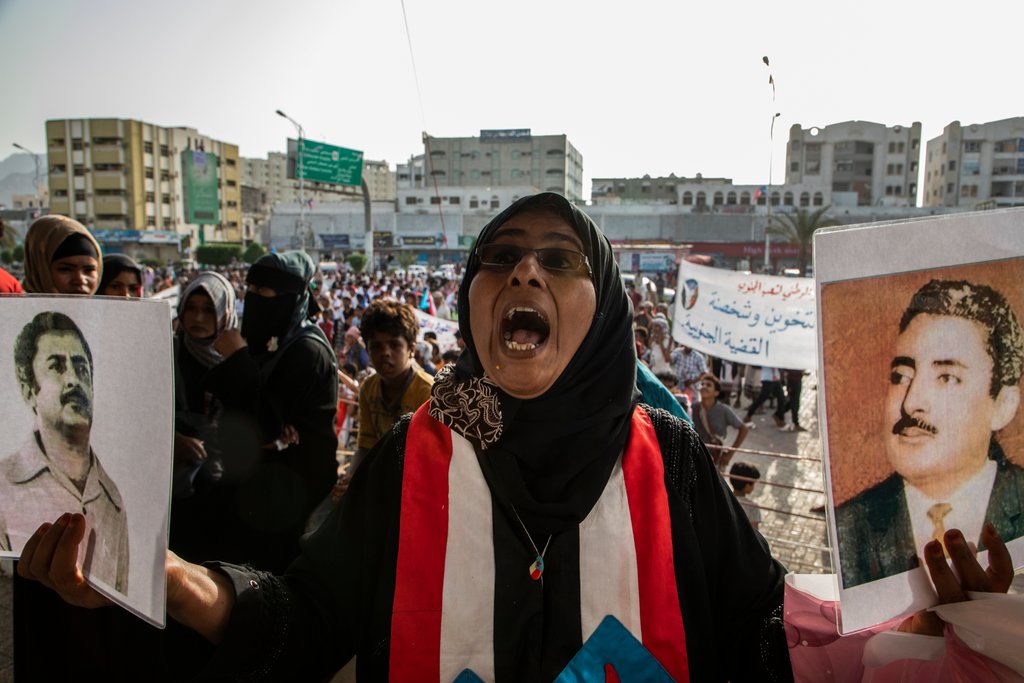
In Yemen, women and girls have been watching their human rights being eroded for decades. I traveled to Aden, Yemen to meet a group of women’s rights activists who are fighting to reestablish basic rights, empowerment and protection for women and girls.
Experts agree that increased insurance penetration — including for life, health, property, and livelihoods — supports growth and development, and can protect the most vulnerable. But as part of the informal economy, most workers in Africa lack traditional, employer-provided insurance. Now, a new generation of tech-driven microinsurance products is helping to fill the gap and provide a safety net for those working their way out of poverty.